

World Bible — Part 1
Created by Alex Robnett and Matt Stevens
Begin
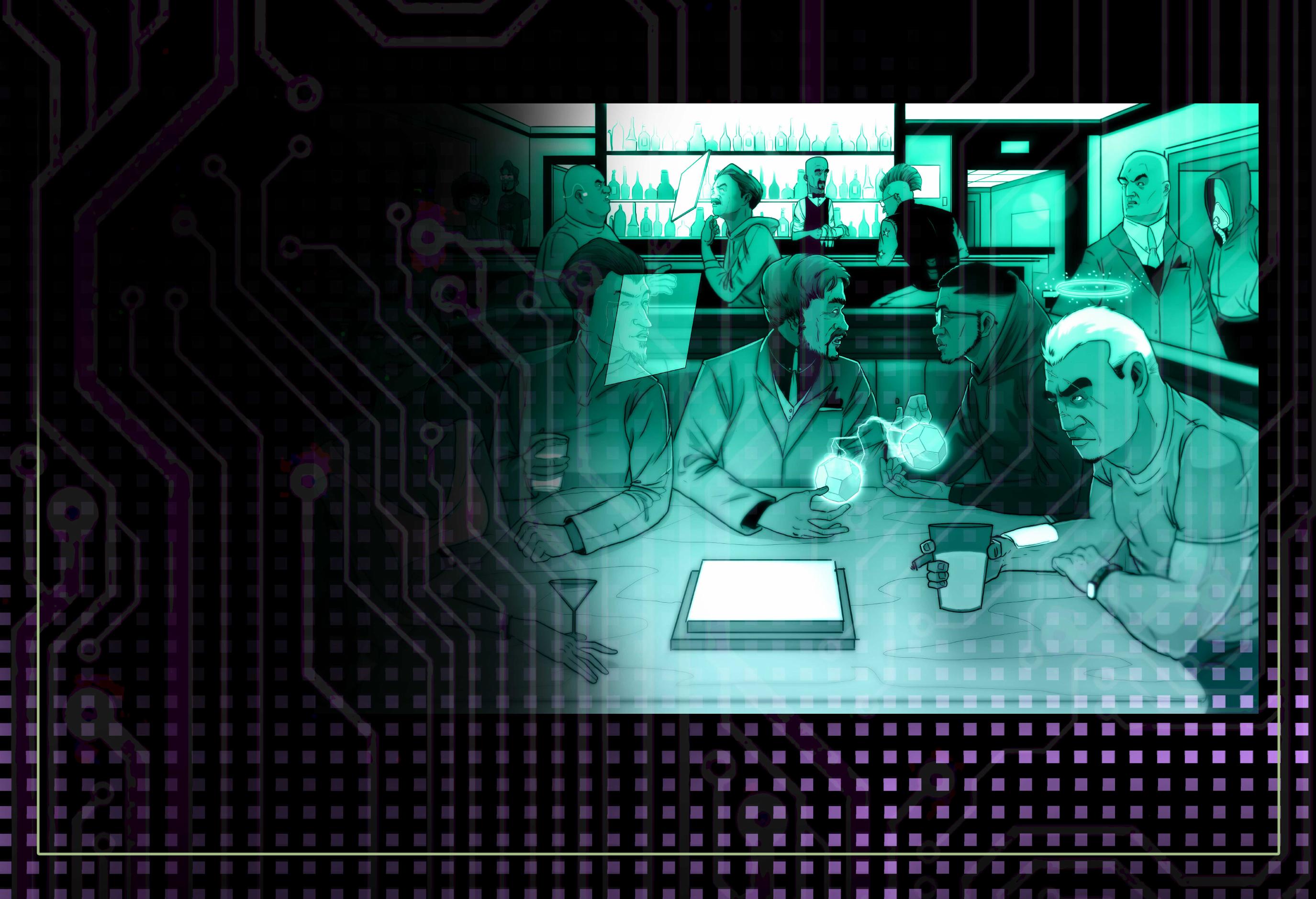
Technology has inundated the world. Information systems in the decentralized internet deliver unfettered access to knowledge. Near fusion energy production creates superior power capabilities on every continent. Complicated nanomachines operate inside the bloodstream to amplify health and well being.
Aging walls of the old world are crumbling.
Proxy wars are waning.
And a simulated reality has been born.
Within a coded realm called the Xodus, an individual’s mind and body are connected to a tangible digital reality.
In this virtual dream, the experiences are limited only by the fortitude and imagination of your consciousness.
True projected reality on an unfathomable scale.
And the experience has only begun.
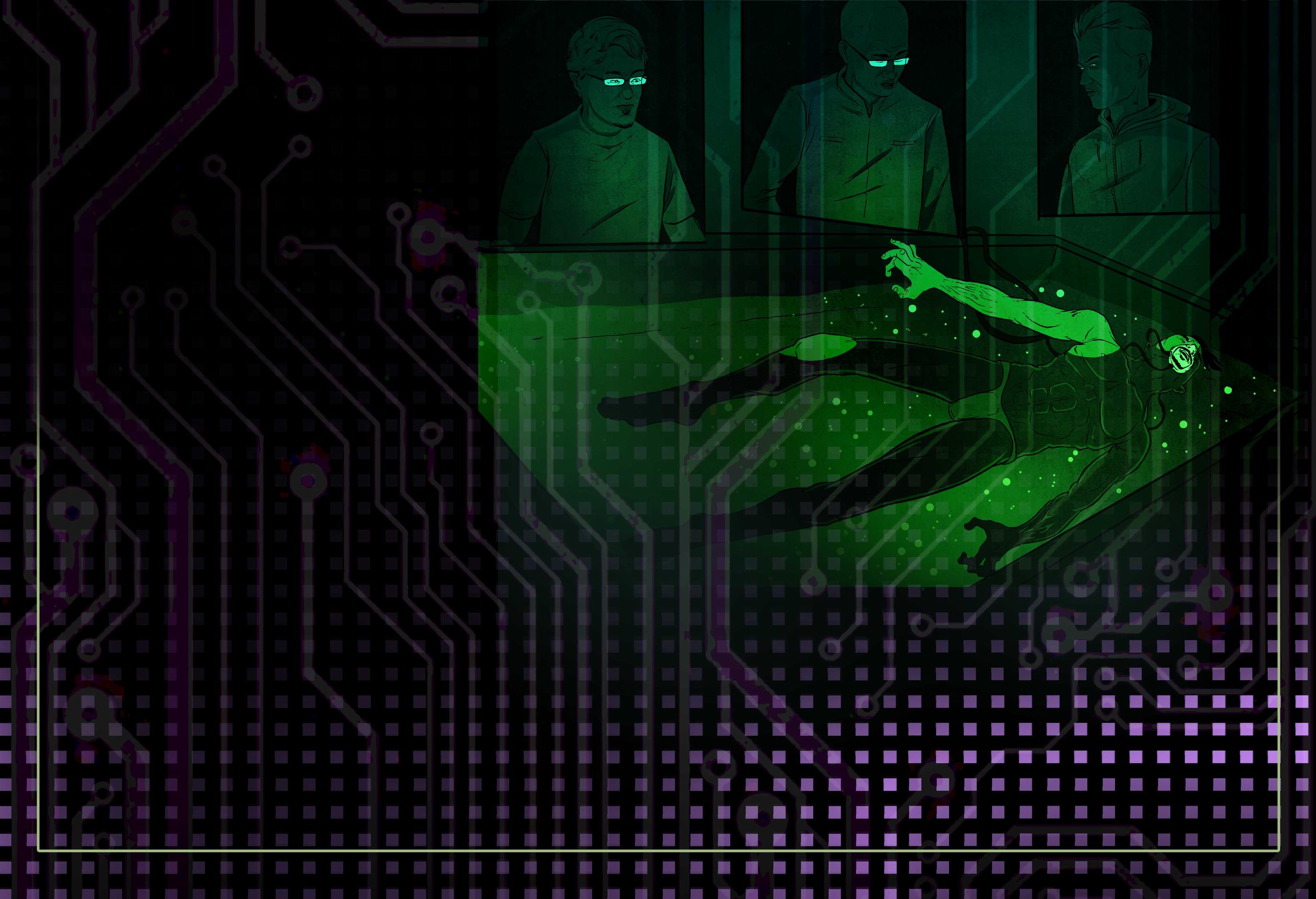
Four individuals, Raymond Dukkakis, Marvin Cologne, Derek Martone, and Rico Teller created the first Xodus simulation instance inside a South Boston co-op laboratory on March 5th, 2029.
In the years leading up to the network’s launch, Dukkakis, Cologne, and Martone met at the HighCastle open-source engineering organization. While working on HighCastle projects, the trio pioneered research in conductive fluid mechanics, developing methods for human nanoarchitecture to connect directly to a computer system. Teller joined the group in January 2029 and six months later, the patent for their full-body conductive fluid was sold to technology hardware conglomerate Cerberus.
After the sale to Cerberus, development focus for the foursome turned to their simulation test net. Realizing the potential of their sandbox environment to become a large-scale virtual experience, The Founders quickly created an open-source package for other developers to build upon. Shortly after, Dukkakis exited the group to found his own development group called Obsidiance, while Derek, Marvin, and Rico disbanded to their own ventures soon after. The open-source package they had created, became the Xodus simulation.
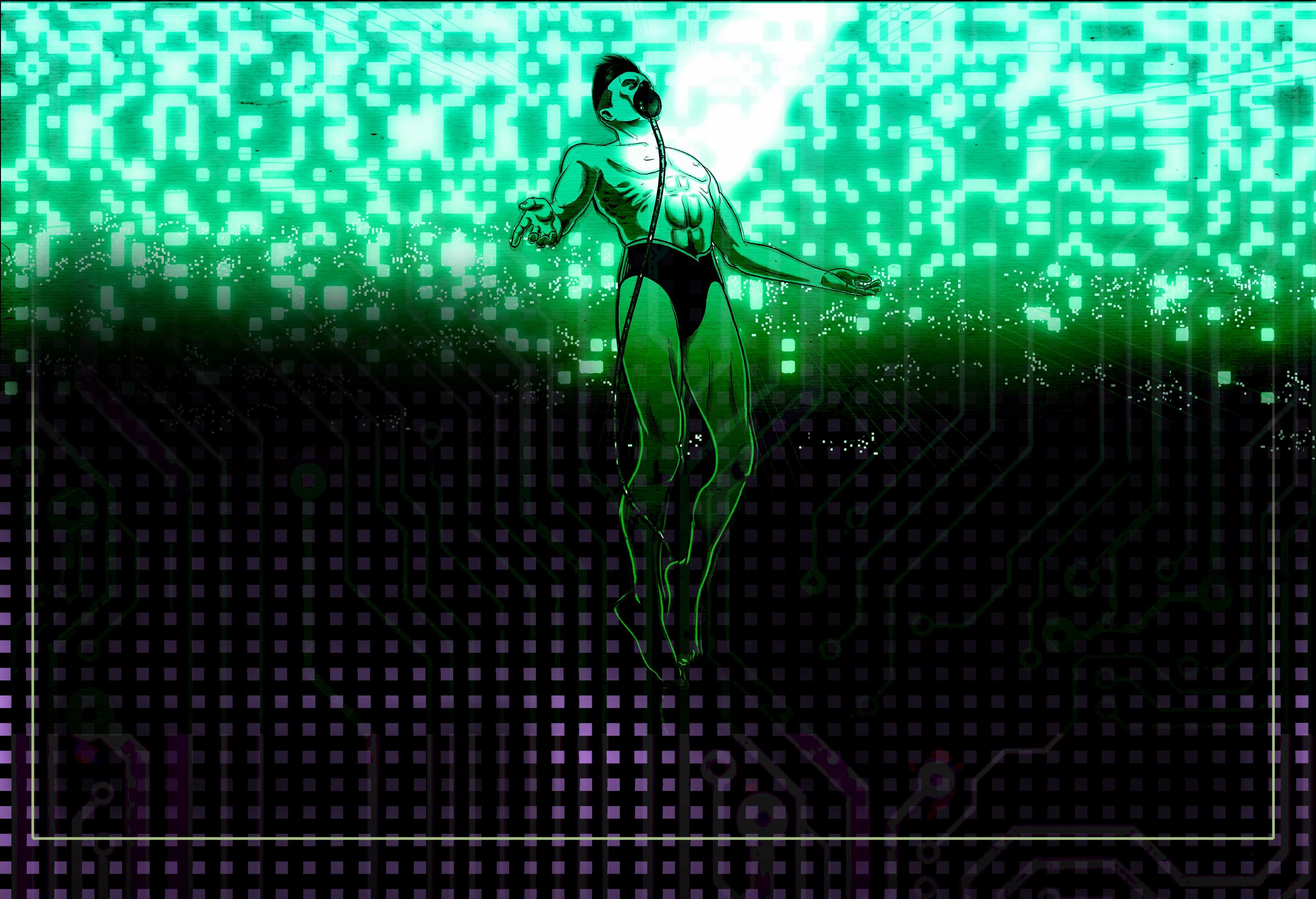
Four of the grand simulation’s founders, the closest to the Xodus source code, remain apart for half a decade since its activation. Digital Pools, the connection devices to the Xodus, are in high demand, with more “divers” connecting with each passing day. By submerging into the founders’ patented conductive formula, these new simulation entrants form a cerebral bond to the nanomachines within their blood—and transfer these signals through the fluid within the tub towards a highly sophisticated quantum network of visceral simulations.
Once connected, they swim in wild and fantastical experiences, launching them deep into a sophisticated digital universe.
But all is not well...
A growing minority succumb to incomprehensible horrors at the behest of sophisticated hackers and criminals. Mind crime, subjugating a connected individual to acts of extreme virtual abuse, are ravaging the infantile simulation, gaining more popularity with each stroke of written code drawn on the Xodus canvas.
Called into action across the country are federally funded Virtual Crime Task Forces, positioned in major US metro areas. As the technology continues its growth in North America, these groups are appointed to patrol the connections emanating from their geographies, protecting Xodus divers from harm while investigating the most heinous acts of mind crime.
Unlimited ecstasy and incalculable torment await as near destinations on this digital highscape.
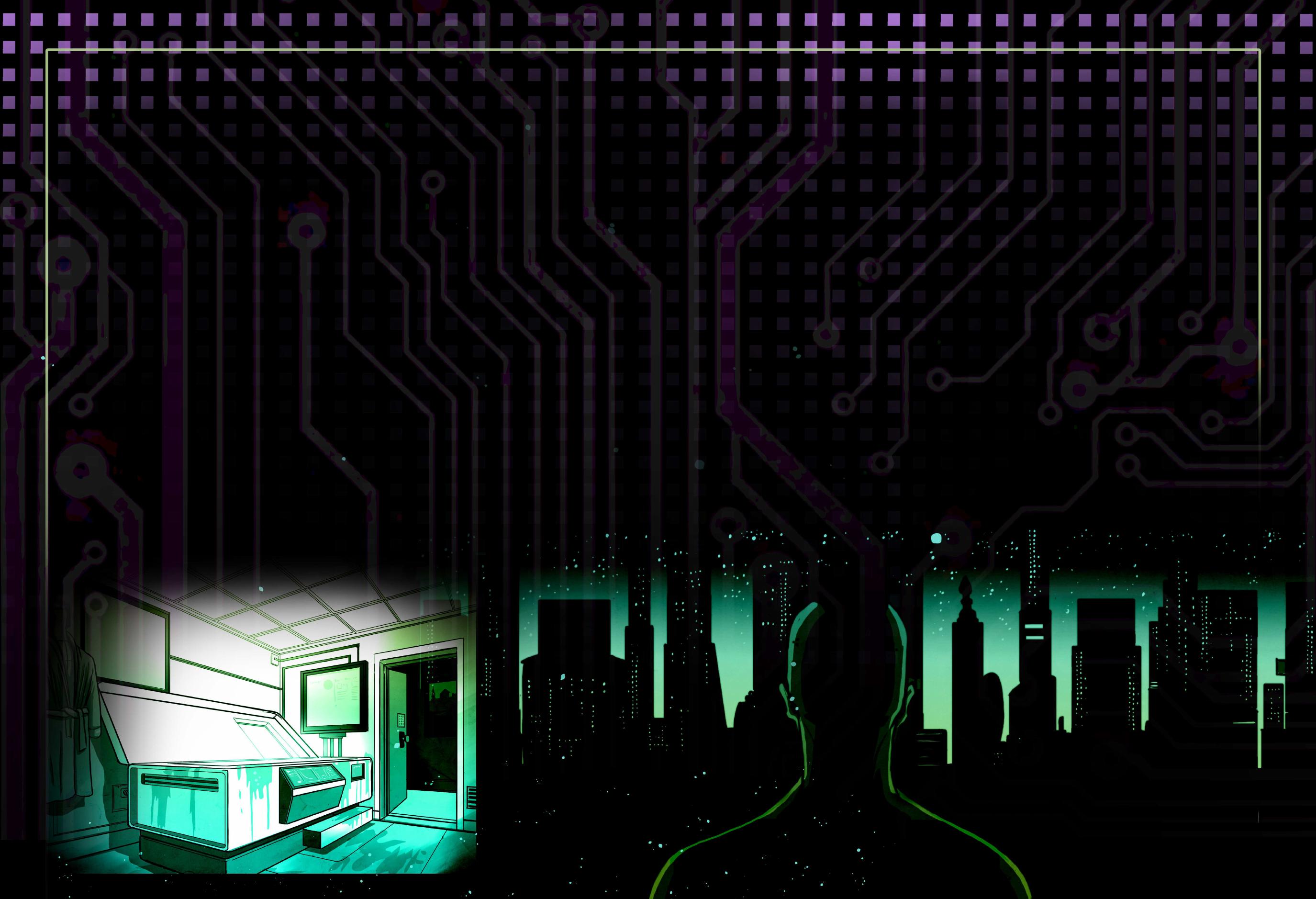
The world of Digital Pools is similar to our own—this is no dystopian future filled with cybernetic warfare and lawless, immoral nomads. A short lived, world-wide conflict referred to as the Seven Day War forced global superpowers into a cold detente, avoiding inevitable nuclear annihilation. The proxy skirmishes that dominated the first quarter of the century have been abandoned in an effort to propagate conflict neutrality. Zeitgeists of the old world have given way to The Information Renaissance, decentralized and democratized economies of thought, services, and debate. Unbridled freedom of choice, built on the networks of the future, drives the furthering of open education. Data and information are now easily and affordably shared across borders, cultures, and people.
With easy access to knowledge across the new web, technological progress is furthered by the advent of nano-biotech, systems of nanyte machines operating intravenously throughout the population. These architectures are highly-regulated metabolic aids, affordable and accessible to most of the world. Entrepreneurs and tech adventurists soon began experimenting with nano architecture, creating use cases beyond metabolic normalization and immune support, laying the groundwork for a connected consciousness to a digital network. Shortly thereafter, The Founders, a group of highly talented programmers within the American Northeast, built the first test-net of the simulation, the Xodus.
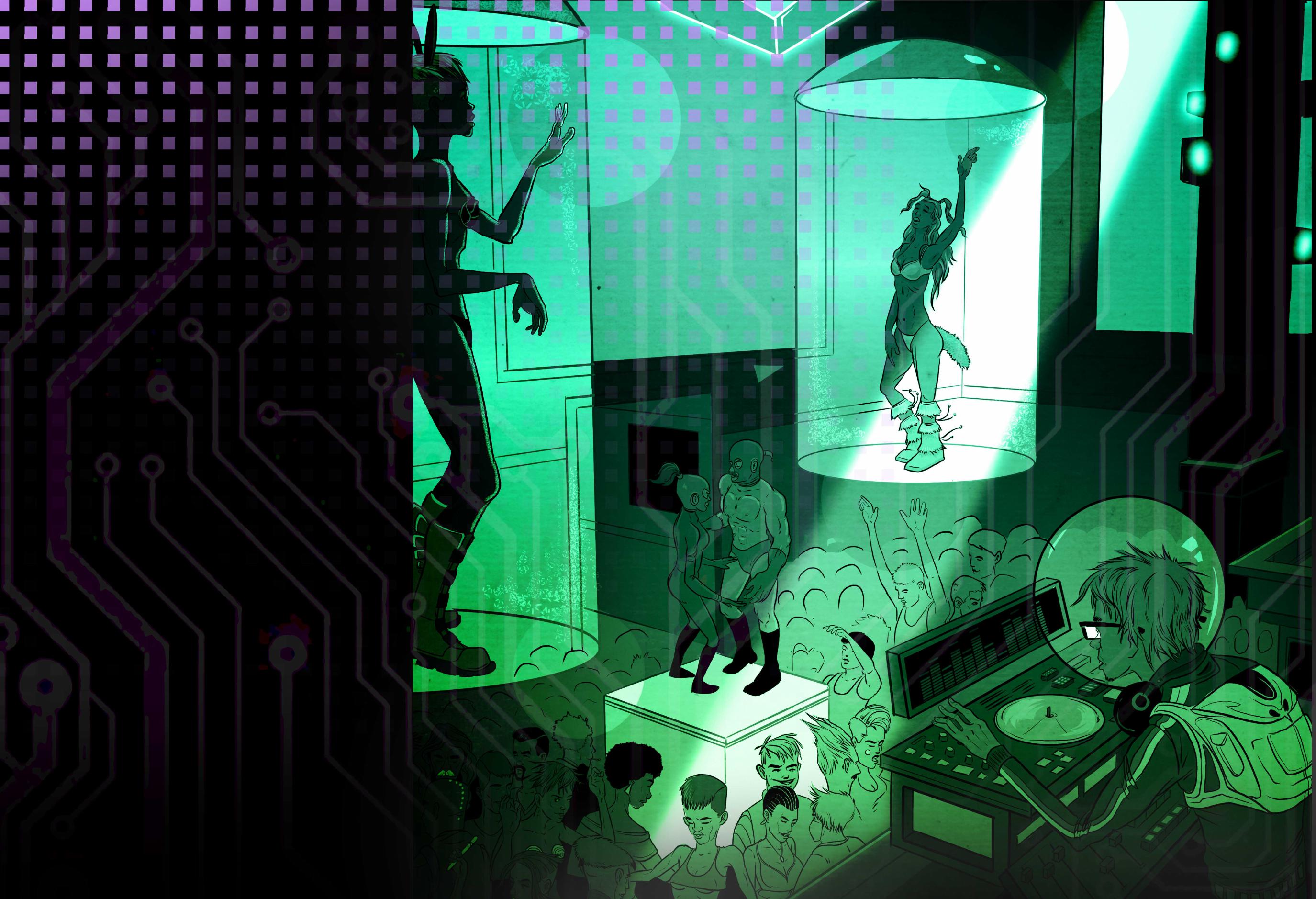
Focused on delivering a seamless experience with Xodus, Cerberus augmented existing the Founder’s patent for conductive cerebral fluid and calibrated the alkaline levels to transmit high bandwidth signals between a user’s nano architecture and an input signal. The pieces were in place: the network, the developers, and the connection method. All that was missing was the method of submersion, which came in the form of an innovative Cerberus product called a Digital Pool, a non-conductive hardware device which could submerge a user in conductive fluid and provide the connection point to a local machine and the Xodus network. By 2034, Cerberus continues to be the number one manufacturer of digital pools globally but new market entrants are beginning to offer similar hardware solutions.
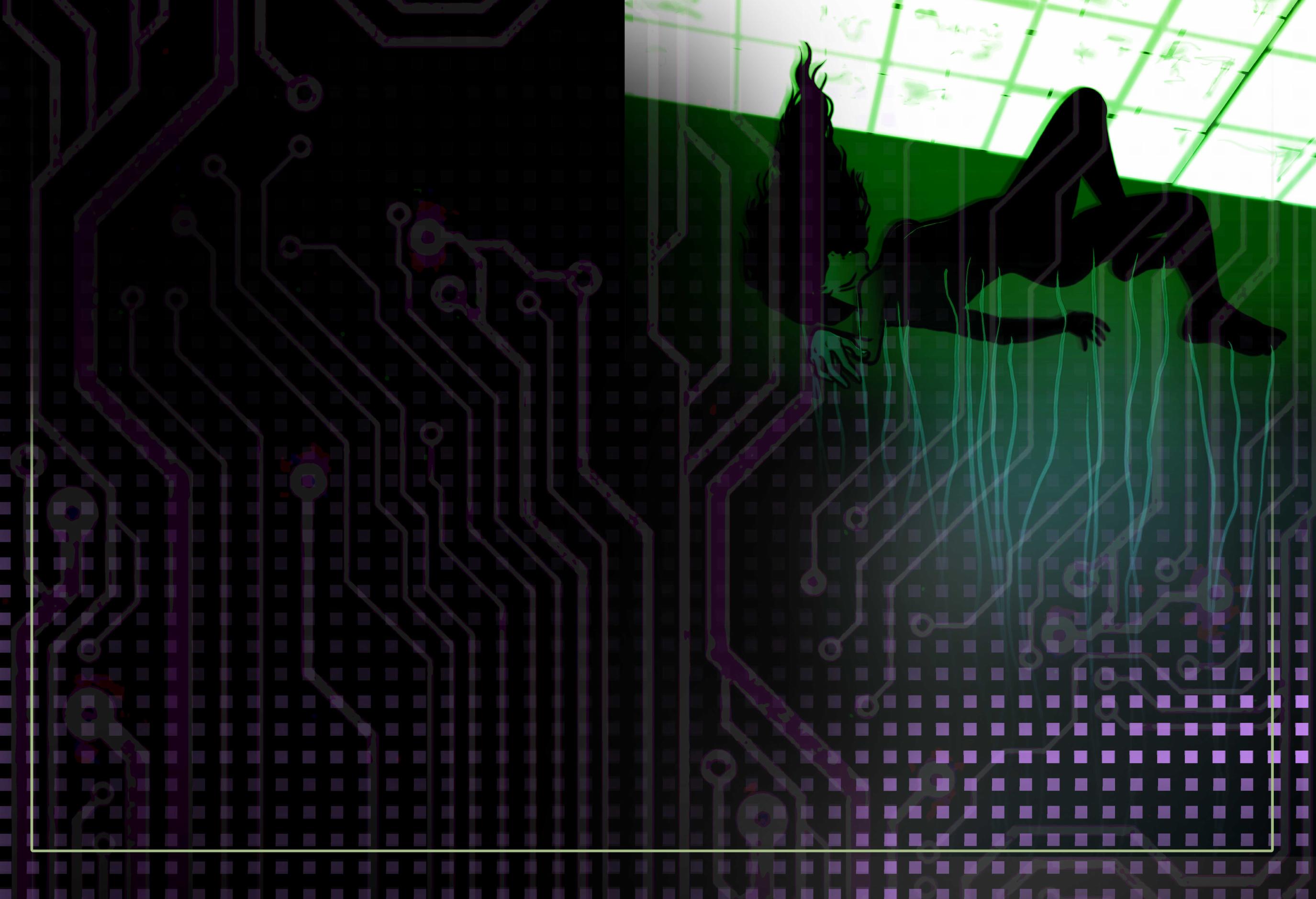
At theoretical limitations, the Xodus is infinite in scale. In practice, the simulation is broken down into three hierarchical topographies: instances, meld clusters, and Stratas.
Instances are unique connection points across the Xodus. They are conceptually very similar to the websites of the Internet. Instances can be public, such as the Cupido, or private.
Meld clusters are groups of instances that share a unique development signature. Changing between instances within a meld cluster is instantaneous—load times are non-existent.
Stratas are the largest topographies—the planes of existence within Xodus.
Strata 1 is the base layer of the Xodus, where public networks are constructed and maintained. Strata 1 levels follow tight diver protocols, regulated instance world rules, and are non-taxing on the subconscious. Divers who connect to public instances and meld clusters within this level are in near full control of their digital consciousness and experiences.
Strata 2 is the Xodus’s private network layer. Every unique user ID is granted development space on the private layer with the ability to create any number of private instances they choose. Divers can share access to other individuals and these private networks are regulated by uniquely created rule sets. Encounters at this level tend to be more cerebral and taxing on a user’s consciousness.
Though development of the core network layers found within the Xodus are still in their early stages, rumors exist of a hypo-digital third strata topology. Certain Strata 2 private instances and meld clusters offer virtual encounters that may bridge the digital world with an individual’s psyche, creating worlds deep within an individual’s personality.
A direct connection to the darkest layers of another personality can be a treacherous journey for one’s own mind.
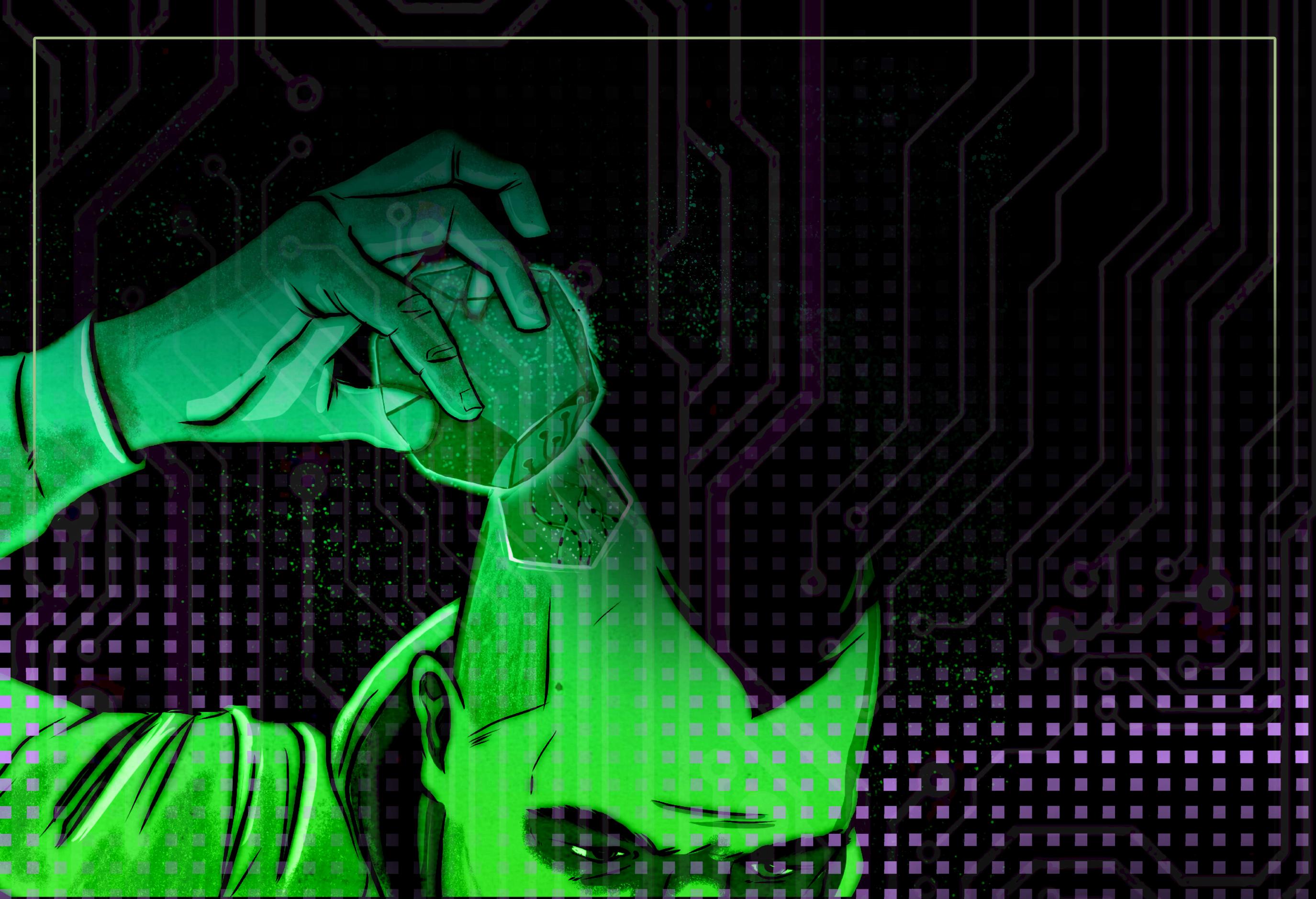
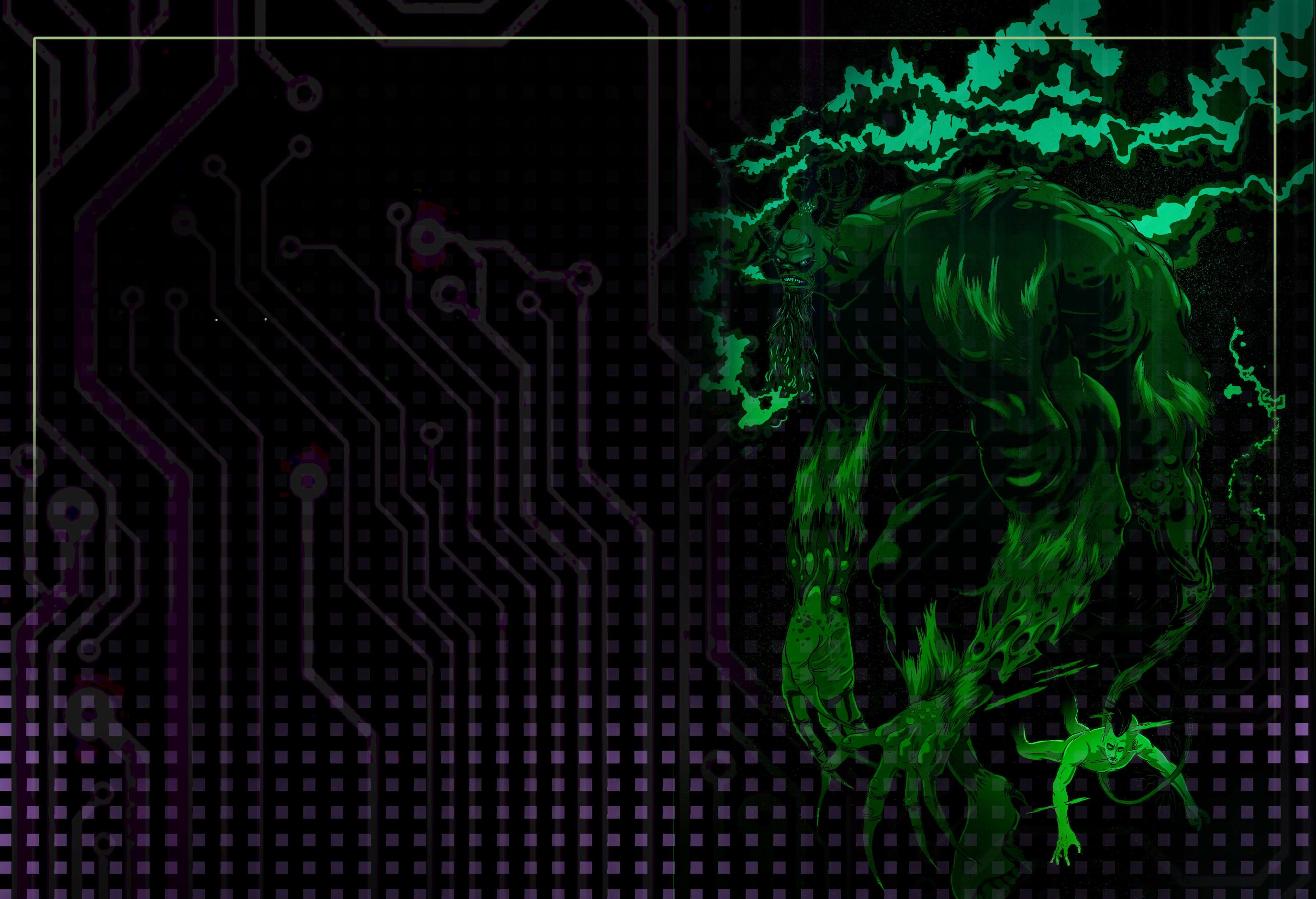
The Xodus is a direct connection to the human mind, a visceral projection of a simulated reality. Though instances throughout the strata layers of the network tumble and weave between varying types of encounters, it is the ego of one’s personality that defines the limit of the body to experience them. Mental fortitude is a crucial prerequisite for a stable, near-reality experience within the bounds of the Xodus. Without a strong and stable ego at the core, the mind may fall on either side of the razor’s edge, into the blissful arms of the superego or down into the bowels of the id.
General experiences found within Strata 1 are pedestrian virtual activities, navigated by many to be an enjoyable recreation of physical reality. Examples range from historical theater, genre fantasies, decentralized gaming, to unique experiences crafted on personal networks across the simulation. The low tension on the subconscious at these levels is further protected by the Medusa Protocol, a sophisticated script that offers digital mitigation against outside effects on this subconscious balance. This protocol is a core developer pillar of Xodus firmware and required by all who log into the network’s MYRIAD servers.
Each experience, small or large, painful or pleasurable, can amplify the stress on the mind. The psyche can only withstand so much.
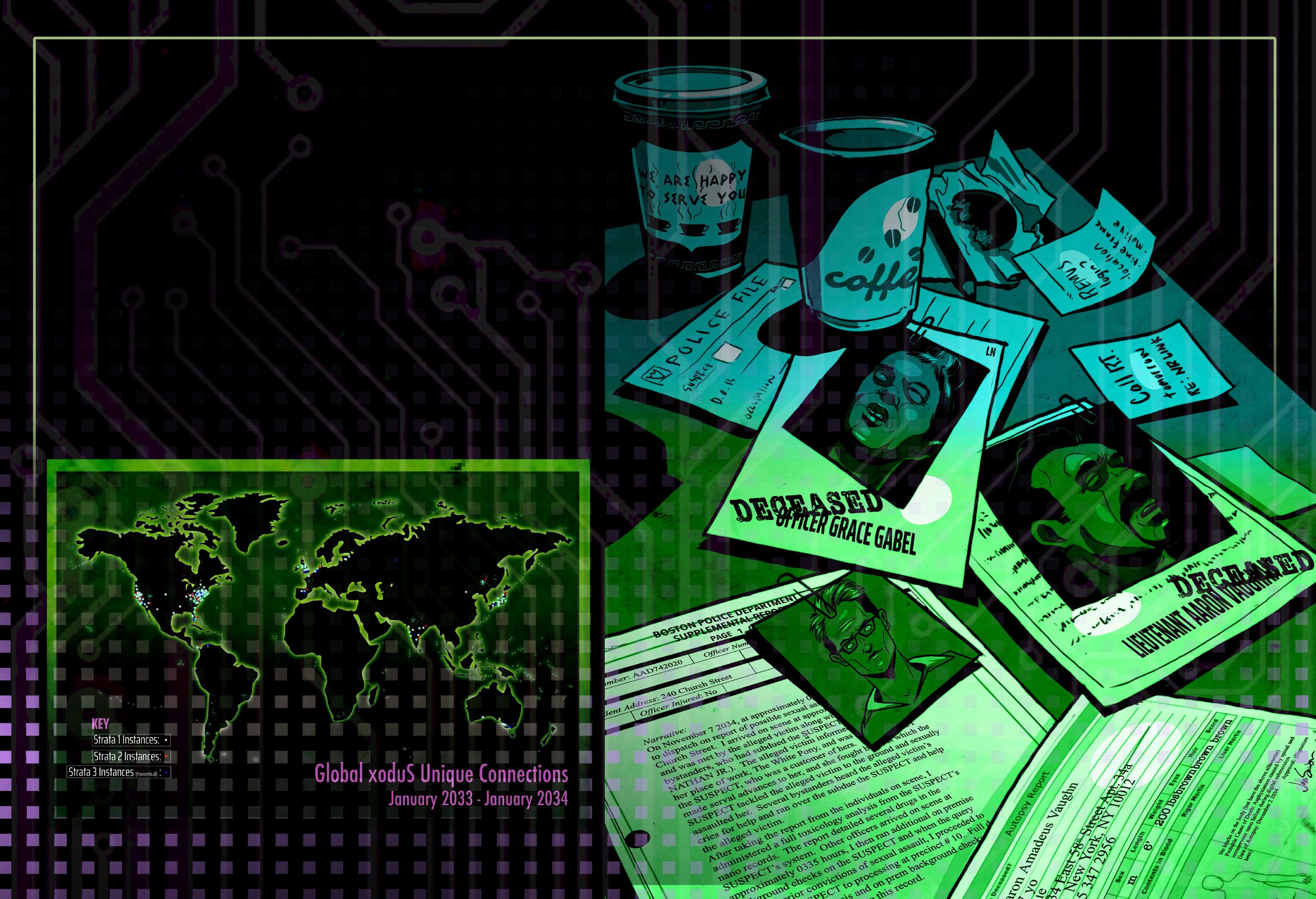
Funded by a government program to police this new digital dream, major metropolitan areas around the United States form Virtual Crime Task Forces (VCTFs). Their objective is to mitigate the spread of mind crime by policing these networks, and protect the growing numbers of new divers entering the Xodus from other forms of criminal activity.
Digital Pools centers on the Boston Police Department’s VCTF and their deployment within the hub of the growing Xodus industry within Eastern Massachusetts.
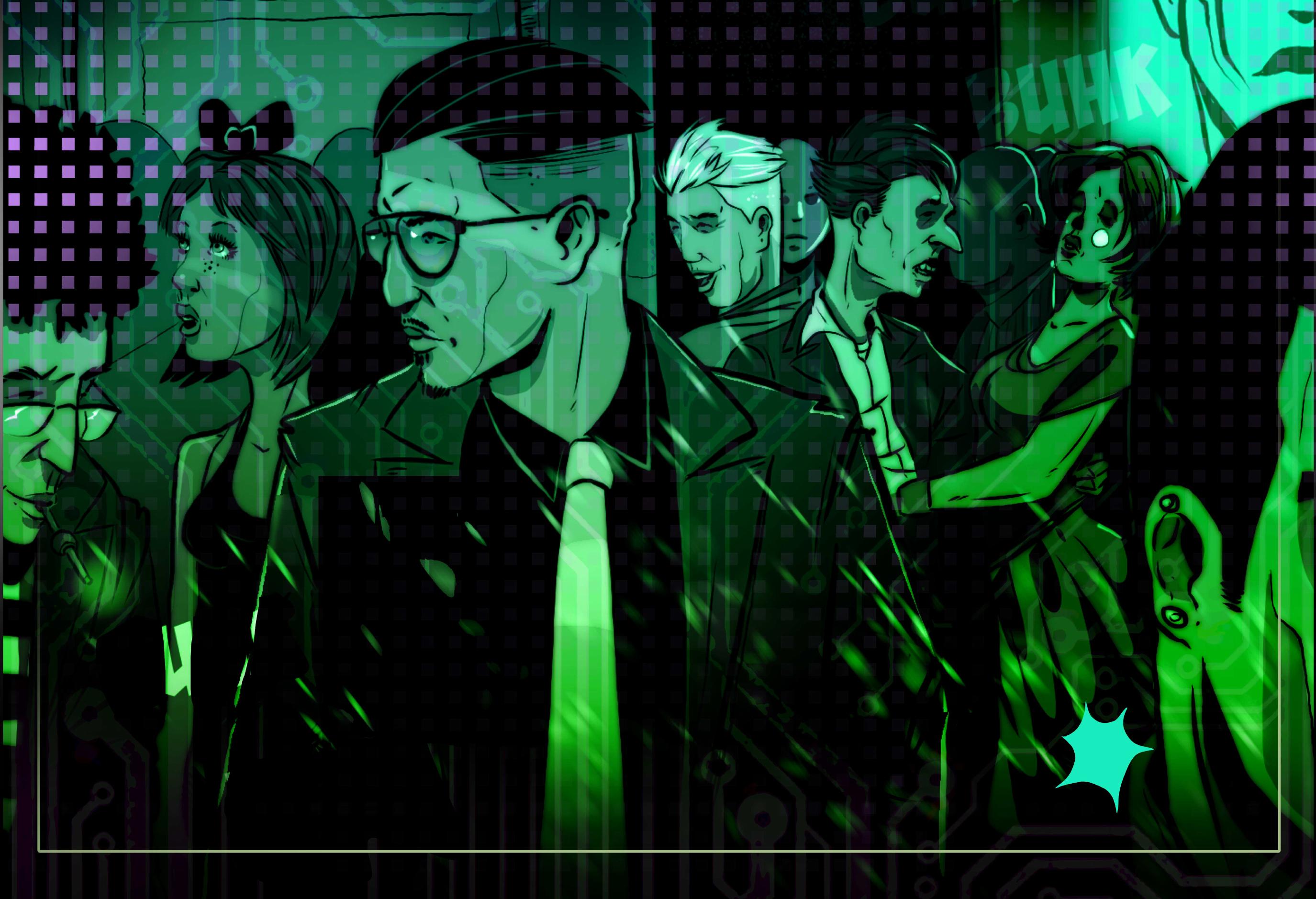
Rico Teller is a highly proficient developer focusing on virtual design, encryption, and Open Source Intelligence (OSINT). After his five-year military career within the United States Marine Corps, Rico discovered freelance coding opportunities in his hometown of Boston, MA, and joined a group of highly respected independent developers known as The Founders. With The Founders, Rico would help create the first instance of the Xodus and earn a reputation for his skills in virtual design, traversal and mapping of digital instances.
After The Founders disbanded, Rico disappeared from the Xodus development community and currently spends most of his time connected to the Simulation performing contractual development and intelligence work. Rico was recently hired as an independent consultant to support the Boston Police VCTF, much to the ire of the Xodus development community.
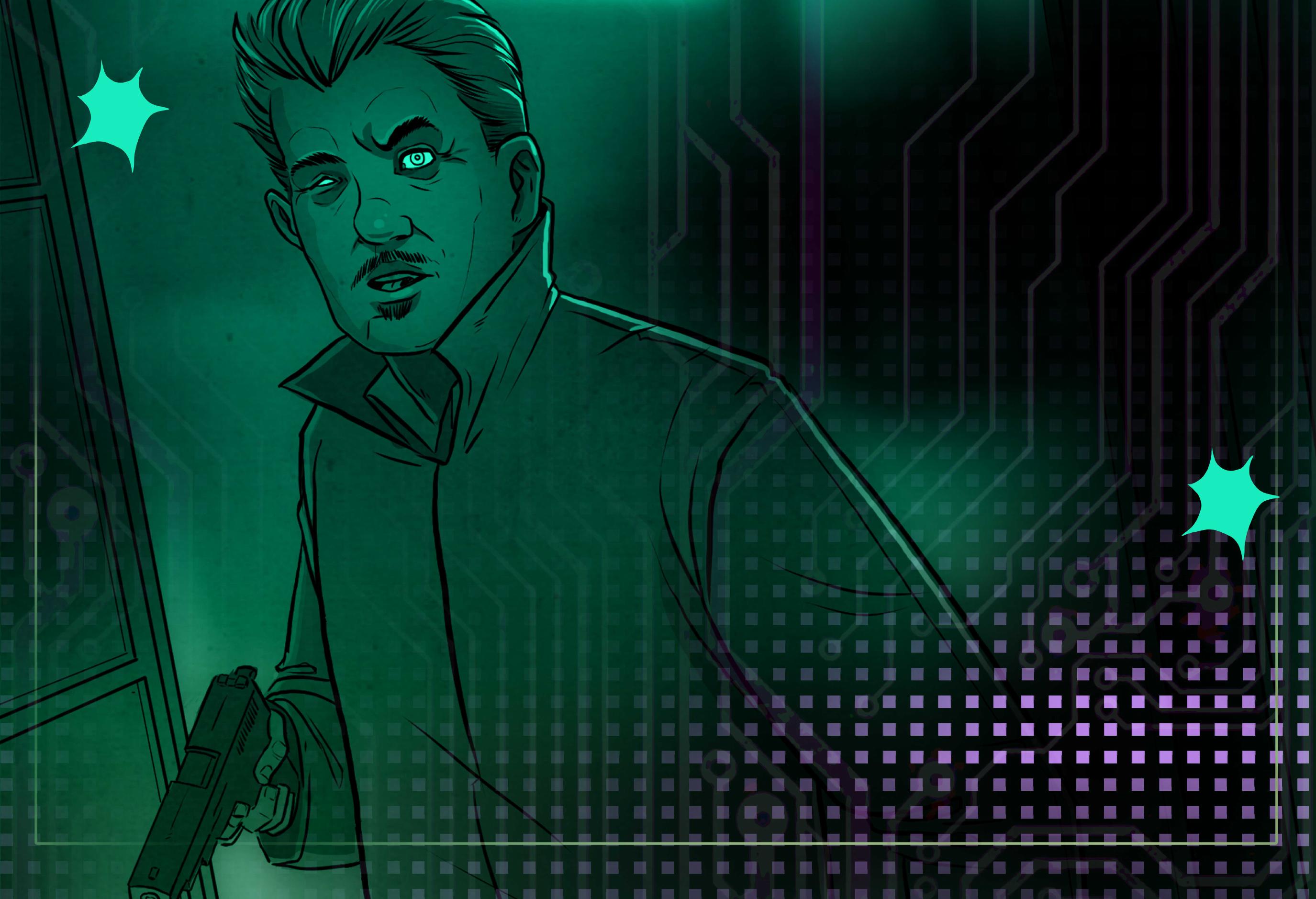
With over 30 years of experience, Lieutenant Detective Julio Larosa has seen the Boston Police Department (BPD) go through many changes throughout his career.
His tenure within the BPD’s homicide unit spanned two decades ten of which he led. Under his guidance, he improved the reputation and investigative success of his detectives by creating a cohesive group of talented and natural investigators who were locally born and well respected within their community.
As he approaches retirement eligibility in the next 18 months, he has accepted the lead role of the BPD’s Virtual Crime Task Force pilot program. His responsibility is to police the Xodus and investigate the nascent network for acts of mind crime.
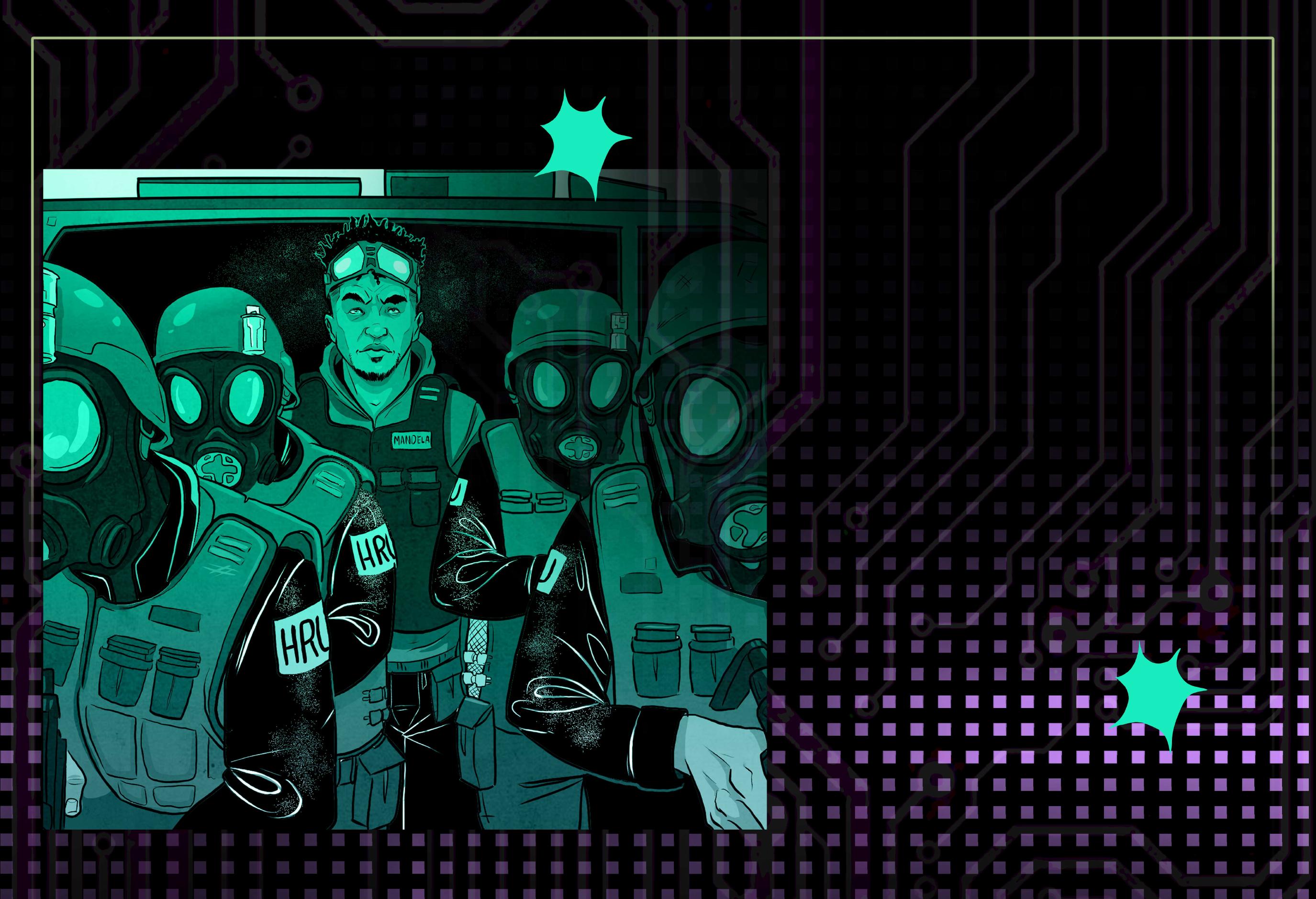
Robert “Robbie” Mandella is a former street cop, recruited by Detective Larosa as a new partner in the BPD’s VCTF.
Young, determined, and a quick thinker, Robbie earned high honors for his work patrolling some of Boston’s toughest neighborhoods during the first seven years of his career. Larosa was exposed to Robbie’s potential as an investigator after tapping the young officer for assistance in several homicide cases one year before the VCTF program was initialized.
Now under Larosa’s direct tutelage, Robbie enters a mysterious world of incredible technology with open eyes and ears, eager to learn from one of the department’s most experienced detectives.
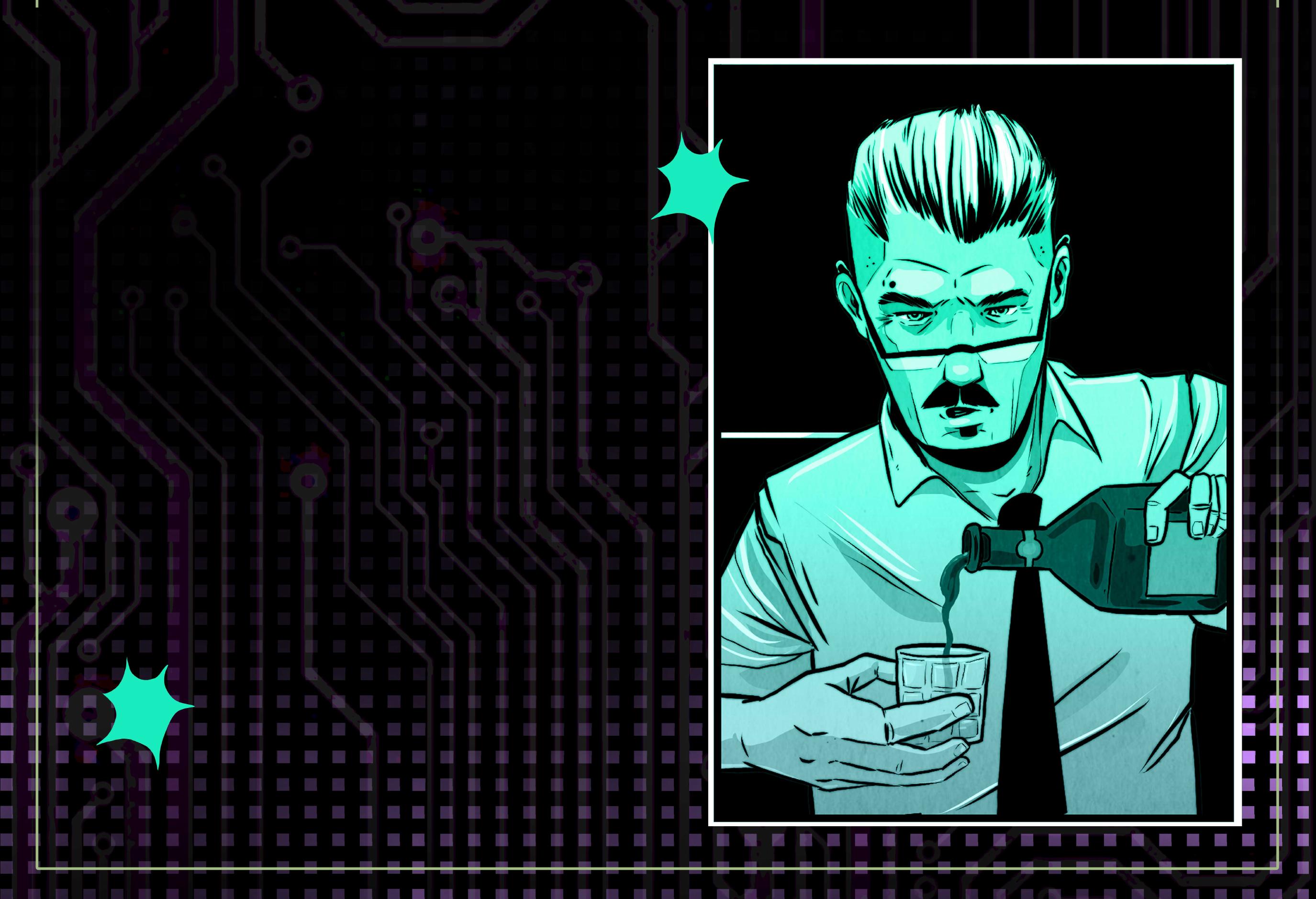
In his twelfth year as captain of the Charlestown precinct, Matthew Burns is a hard-boiled officer of the law who runs a tight ship across all of the departments under his purview. Close friends with Larosa, the two have shared many gripes and tribulations when it comes to navigating the dangers of the day-to-day job.
This story is set about 10 years post a major economic depression that caused significant civil unrest in Boston. Burns was part of the cleanup and policing of that era that lasted a long two-year period of tough crime-fighting, not only confronting the most violent and desperate of criminals but also investigating many police officers hell-bent on vigilante justice.
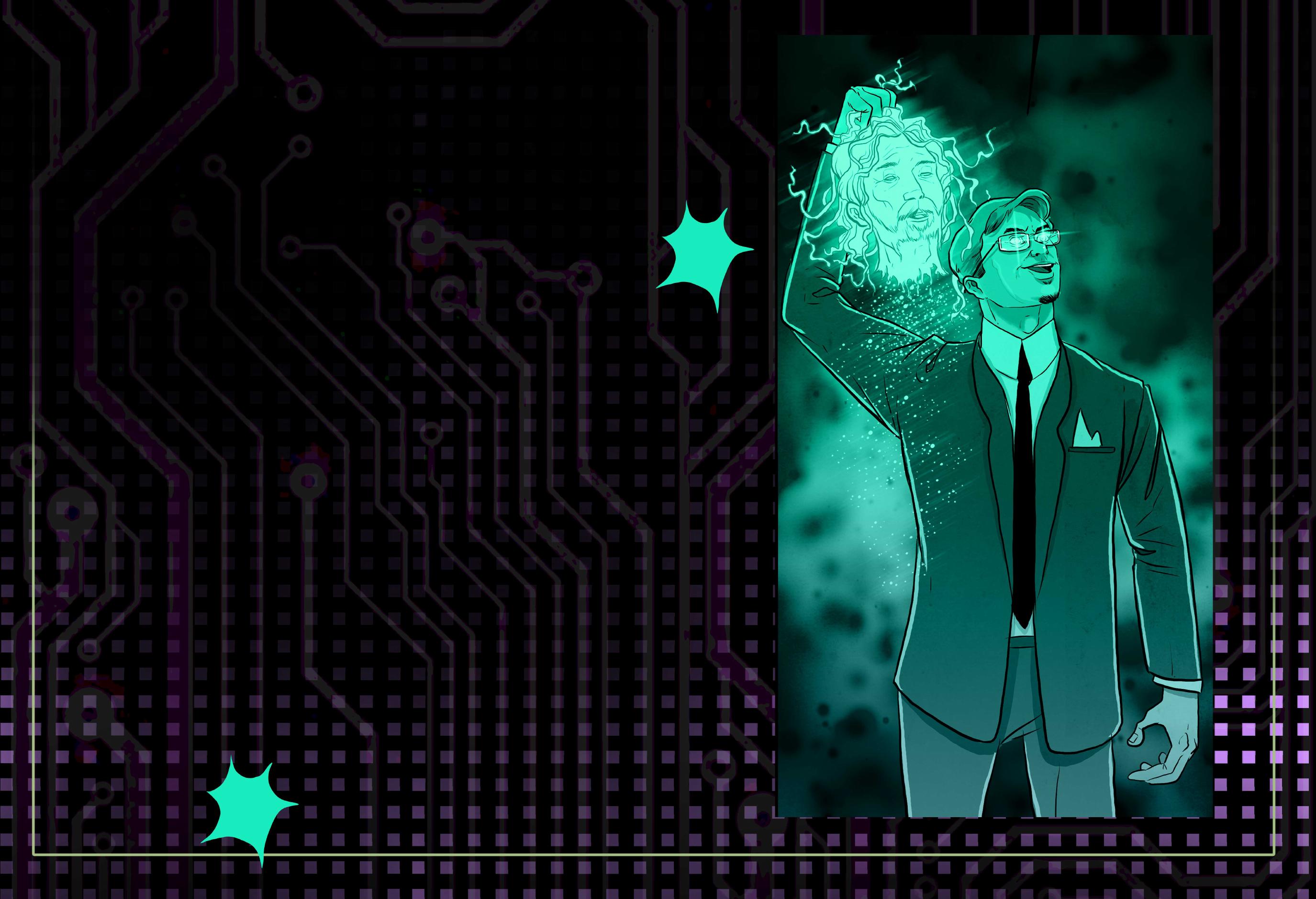
Raymond Dukkakis is a programming savant, multi-millionaire, and entrepreneur famous within the Xodus development industry as a member of The Founders.
Since his mysterious exit from the group in 2030, Raymond created his own development cohort called Obsidiance, which focuses on cutting-edge Xodus software solutions and simulation toolsets. Raymond is an eccentric founder with a singular mindset, focused on self-improvement and pushing the limits of the human mind’s growing connection to the new digital worlds born out of the Xodus environments—no matter the cost.
He holds a particular fascination with Jungian psychology theories involving shadow personalities and the darkness within an individual’s psyche. With the success of Obsidiance and his growing resources, Raymond has become addicted to the power of his influence and will stop at nothing to continue his research. He is the primary antagonist in the story and the most direct foil to Rico Teller.
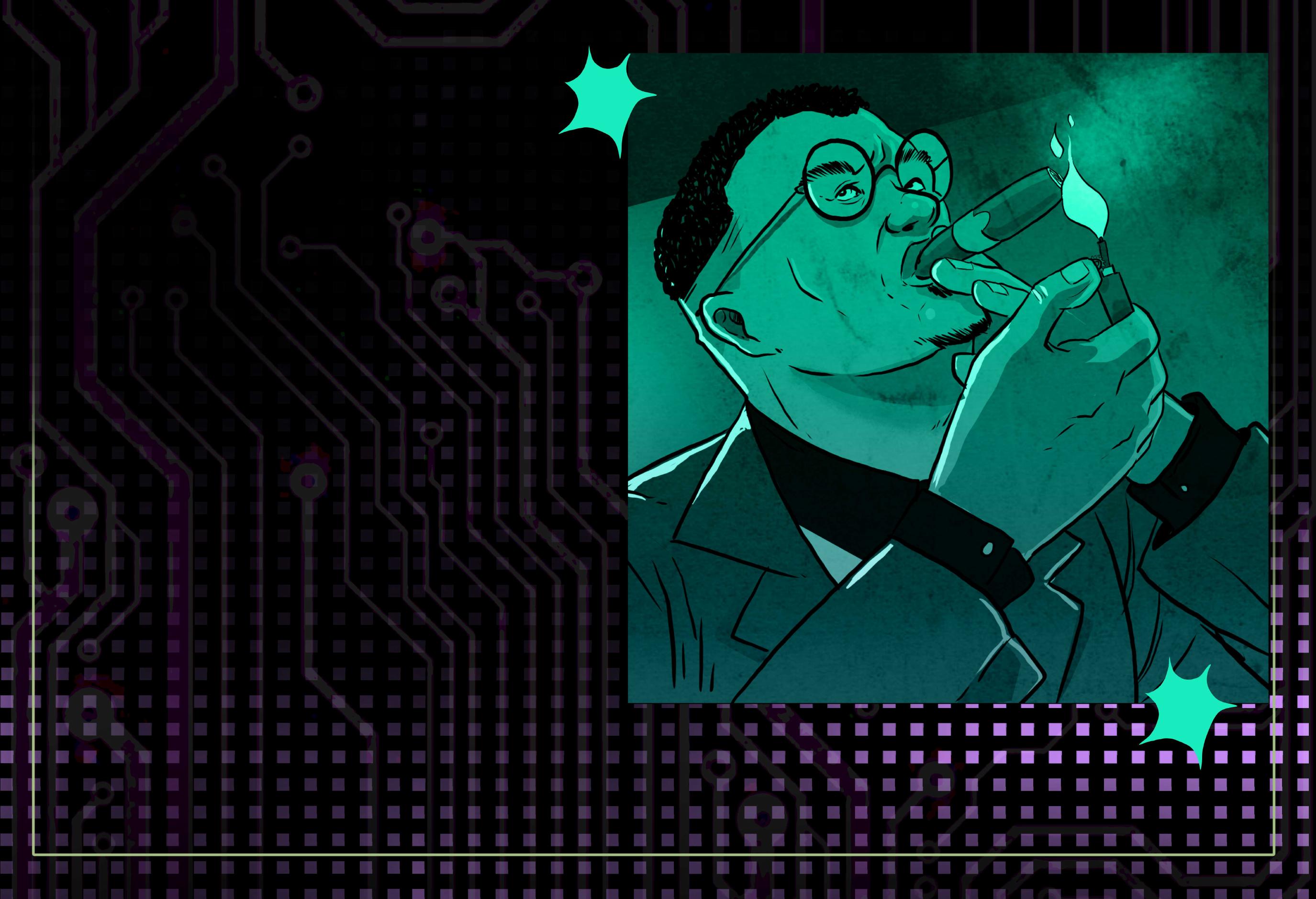
A shady and powerful figure within the Syndicate, Cesar’s rise to power is mysterious but his authority is far reaching across the east coast of the United States. He is the top of the food chain at the shadowy organization, with his fingers in direct control of the Syndicate’s influence across politics, business, and the social elite.
He is intentionally removed from the more violent aspects of the Syndicate’s operations—smart enough to distance himself and act through his many assets, such as Decard Moss and Diaz.
He has become familiar with the Xodus and its founder Raymond, believing the simulation to be a highly valuable tool that can vault the ruling classes’ control over the new world of decentralized information. To him, Raymond and the Obsidiance organization is a means to execute the bidding of The Syndicate’s global objectives of subversion and control.
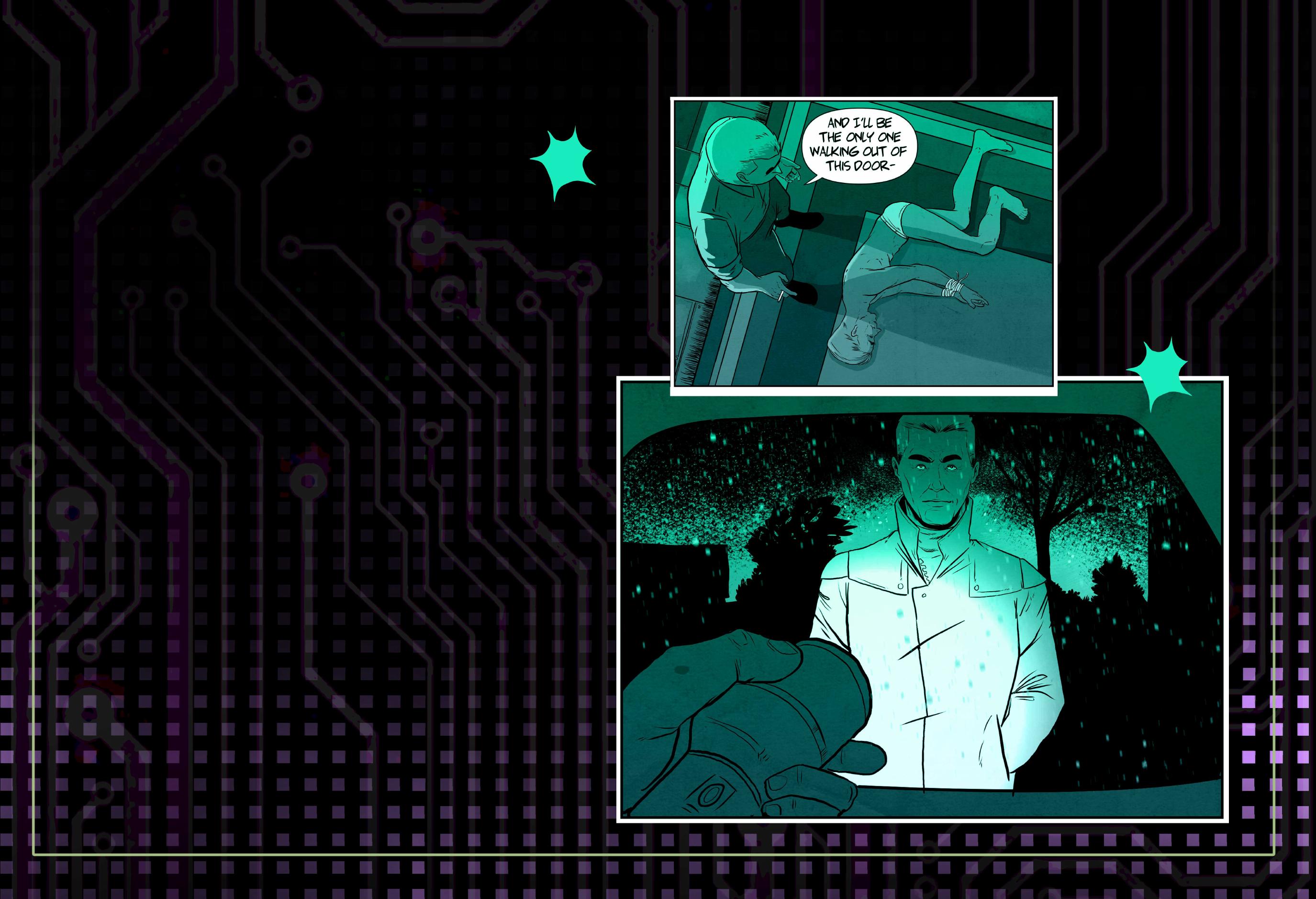
A mysterious enforcer within the Syndicate, Decard Moss’s past lies in as much obscurity as his protagonist foil, Rico Teller. His involvement with Cesar and The Syndicate have an unknown origin but it is well understood that his prominence and the reliance on his expertise is critical across the organization.
Moss is a dangerous individual not because of his predilection towards violence but because of his purpose-driven mentality in all of his objectives. Moss is the tool the truly evil send to do their dirty work.
Decard Moss is an early-mid-50’s male with a sharp mental acuity for reading people and analyzing their weaknesses. A natural tactician, similar to Rico he spent time within the upper echelons of the military but his personal past is a complete mystery to his associates.
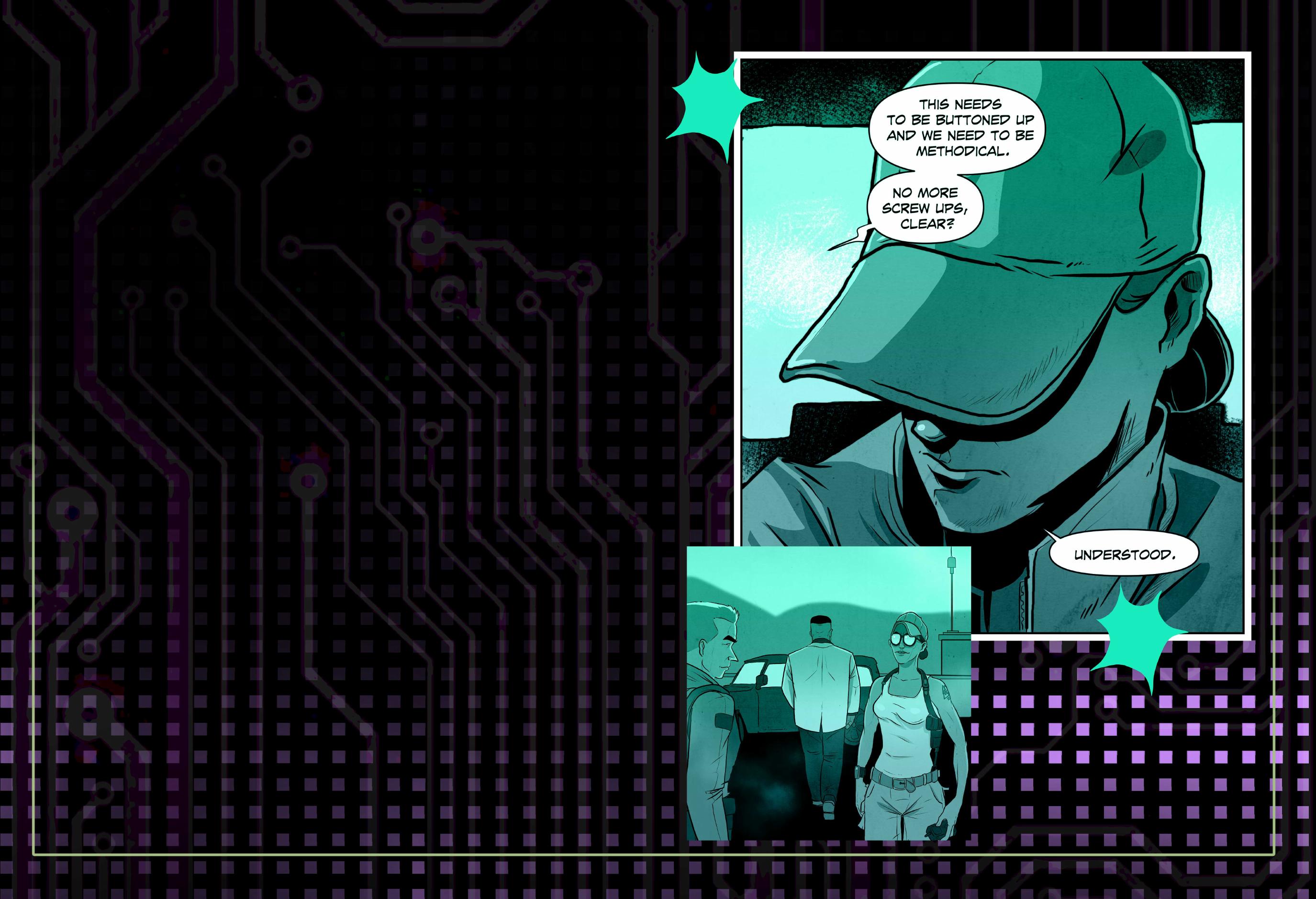
Diaz is Decard Moss’s right-hand woman, a violent female assassin with nearly as much cunning as her overseer, though lacking the practical experience gained in Moss’ lifetime of violent interactions.
She will stop at nothing to fulfill Moss’ wishes, though sometimes her methods may cause unforeseen consequences that require more cleanup work to hide their sinister trail. Though she officially works for the Syndicate, she is loyal to Moss and if there was ever a threat from inside the organization, she would ultimately side with her boss.
She is also a veteran of the Seven Day War, serving as an Army intelligence officer in the Asian theater before being discharged after the end of the conflict for unknown reasons. A New York native, her family immigrated to the country at the turn of the century from South America.